
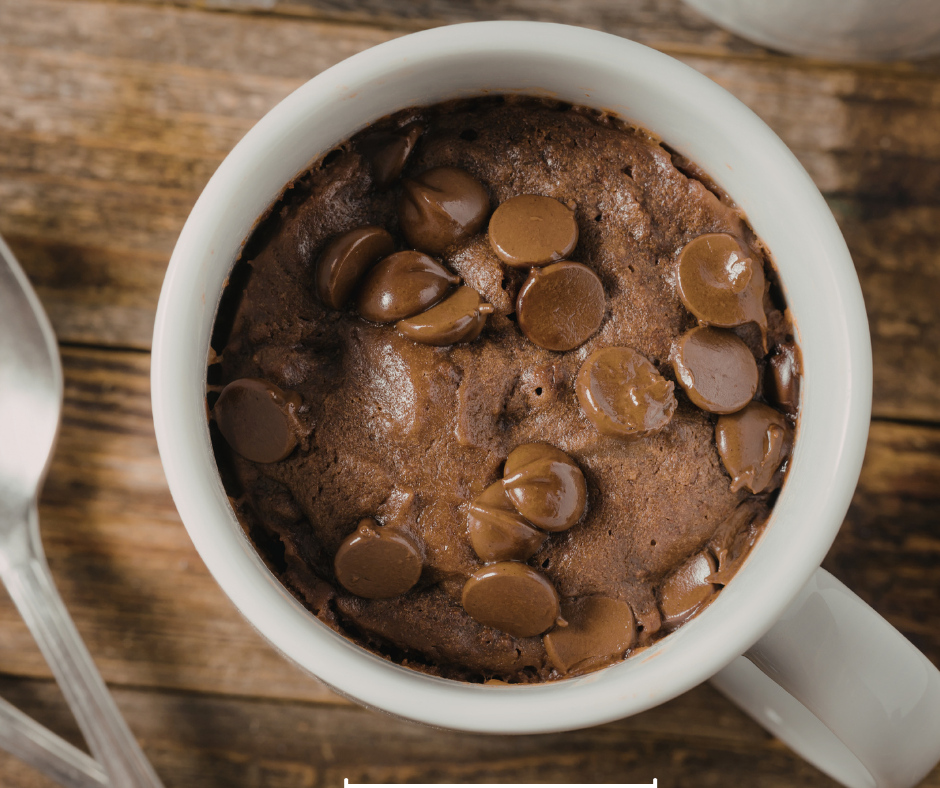
This single-serve Mug Cake (No Milk) is an absolute game-changer for those moments when you need a treat ASAP but don’t want to deal with a sink full of dishes or a long list of complicated ingredients. What’s even better is this version skips the milk entirely, making it great for anyone avoiding dairy or if you’ve simply run out of milk (which happens more often than we’d like!).
Table of Contents
How to make Mug Cake (No Milk)
A Mug Cake (No Milk) is a quick, single-serving cake you make in a mug, usually in the microwave, using no milk at all.
Ingredients
- 4 tablespoons all-purpose flour
- 2 tablespoons sugar
- 1/2 teaspoon baking powder
- 2 tablespoons unsweetened cocoa powder (optional)
- A pinch of salt
- 3 tablespoons water
- 2 tablespoons vegetable oil
- 1/4 teaspoon vanilla extract (optional but recommended)
Instructions
- Prepare Your Mug: Choose a microwave-safe mug. Mugs that hold 8–12 ounces work best to give the cake space to rise without spilling.
- Lightly grease the mug with a small amount of oil or butter for easy cleanup (optional but helpful).
- Mix Dry Ingredients: Add flour, sugar, baking powder, cocoa powder (if using), and salt to your mug. Mix thoroughly with a spoon or fork to avoid clumps and ensure even distribution of ingredients.
- Add Wet Ingredients: Next, pour in the water, vegetable oil, and vanilla extract (if using). Stir the mixture well. Make sure to scrape the bottom of the mug to combine everything; the batter should be smooth with no dry pockets.
- Microwave the Mug Cake: Microwave on high for 60–90 seconds. (Microwave wattage can vary, so start with 60 seconds and check the cake. If not fully cooked, microwave in 15-second intervals until done.) The cake should rise significantly and look firm, but slightly soft on top. Avoid overcooking, as microwaving for too long can make the cake dry or rubbery.
- Cool and Enjoy: Carefully remove the mug from the microwave—it will be very hot! Let it cool for 1–2 minutes.
- Add desired toppings like whipped cream, powdered sugar, fruit, chocolate chips, or even a scoop of ice cream. Dig in straight from the mug!
Tips for Perfect Mug Cake
- Choose the Right Mug: Your mug should be tall enough to prevent spillage as the cake rises. Avoid using mugs with metallic paint or designs—they aren’t microwave-safe.
- Don’t Skip Mixing: Thoroughly mix both dry and wet ingredients before microwaving. Uneven mixing can leave dry flour or sugar pockets, which will affect the texture.
- Test Microwave Cook Time: Every microwave is different! A typical mug cake cooks in about 60–90 seconds, but start with less time and check frequently to avoid overcooking. The cake should look set on the top but still be soft when pressed gently.
- Be Careful With Toppings: If you plan to add toppings like chocolate chips or marshmallows during cooking, sprinkle them halfway through so they don’t sink completely to the bottom.
What to serve with
While a mug cake on its own is delicious and satisfying, adding a few accompaniments can elevate your dessert experience and make it feel extra indulgent.
- Whipped Cream: Light and airy whipped cream perfectly complements the warm, soft texture of the mug cake. You can use store-bought or homemade whipped cream for an extra touch of sophistication.
- Chocolate Sauce or Syrup: Drizzle a bit of chocolate syrup on the mug cake for added richness. If you’re feeling fancy, let the syrup flow over the sides for an Instagram-worthy treat!
- Powdered Sugar: A light dusting of powdered sugar adds a subtle sweetness and looks beautiful on top of a cocoa mug cake or plain vanilla version.
- Fresh Fruit: Fresh berries like strawberries, raspberries, or blueberries pair beautifully with chocolate or vanilla mug cakes. Their tartness balances out the sweetness of the dessert. You could also try banana slices for a classic flavor combination.
- Ice Cream: A scoop of ice cream takes mug cake to the next level. Try pairing vanilla, chocolate, caramel, or even fruit-flavored ice cream with your cake for extra indulgence. The ice cream melting over the warm cake creates the perfect texture and flavor contrast.
- Nuts & Seeds: Sprinkle crushed almonds, walnuts, pecans, or hazelnuts on top for extra crunch. Toasted nuts work well, too, adding aromatic depth to the dessert. For a healthier twist, you can also sprinkle chia seeds or flax seeds for some extra nutrients.
- Shredded Coconut: For a tropical vibe, sprinkle some sweetened shredded coconut over the mug cake. Toasted coconut offers a nuttier flavor that pairs beautifully with chocolate mug cakes.
Ingredient Substitutes
Mug cakes are the ultimate versatile dessert—not only are they quick and easy to make, but they also allow for plenty of ingredient flexibility.
1. Flour Substitutes
The key ingredient in most mug cakes is all-purpose flour, which provides structure and texture. If you don’t have it on hand or need a gluten-free option, try these alternatives:
Substitutes for All-Purpose Flour:
- Whole Wheat Flour: Replace an equal amount of whole-wheat flour with all-purpose flour. It will add a slightly nuttier flavor and denser texture.
- Gluten-Free Flour Blends: Use a 1:1 gluten-free flour blend designed to mimic all-purpose flour in baking. This is a perfect substitution for those who are gluten intolerant.
- Almond Flour: Almond flour adds richness and a nutty flavor to your mug cake. Use about 5 tablespoons of almond flour in place of the 4 tablespoons of all-purpose flour. Note: The mug cake may not rise as much due to the lack of gluten.
- Oat Flour: Blend rolled oats into a fine powder to make oat flour at home. Use the same amount as all-purpose flour, but be prepared for a slightly chewier texture and subtle oat flavor.
- Self-Rising Flour: If you have self-rising flour on hand, skip the baking powder in the recipe since self-rising flour already includes leavening agents.
2. Sugar Substitutes
Granulated Sugar is commonly used for sweetness, but there are many alternatives to suit your dietary needs or simply to switch up the taste.
Substitutes for Sugar:
- Brown Sugar: Use an equal amount of light or dark brown sugar to add a more complex, caramel-like flavor to your mug cake.
- Coconut Sugar: Replace granulated sugar with coconut sugar in a 1:1 ratio. It has a distinct, mild caramel flavor that works beautifully with chocolate or vanilla-based cakes.
- Honey or Maple Syrup: For a natural sweetener, substitute 1 tablespoon of honey or maple syrup for every 2 tablespoons of sugar. Since these are liquid, adjust the water or oil slightly to avoid a runny batter.
- Stevia or Monk Fruit Sweetener (For Low-Calorie Options): These sugar-free alternatives are highly concentrated, so you’ll need far less (check the conversion details on the package). Note: Adjust the recipe slightly to compensate for the batter’s lack of bulk.
3. Cocoa Powder Substitute
Skipping the cocoa powder changes the flavor profile from chocolate to vanilla or other variants. If you’re craving chocolate but don’t have cocoa powder, here’s what you can use:
Substitutes for Cocoa Powder:
- Chocolate Chips (Melted): Melt 2 tablespoons of chocolate chips and stir them into the batter to recreate the rich chocolate flavor.
- Carob Powder: Use the same amount of carob powder (2 tablespoons) as cocoa powder. Carob is naturally sweeter and less bitter, so you may need slightly less sugar.
- Hot Chocolate Mix: If you have instant hot chocolate mix, it can be a great substitute for cocoa powder. Use 3 tablespoons of hot chocolate mix (combined with the other dry ingredients).
Final Thoughts
This Mug Cake (No Milk) recipe is perfect for busy days, dessert emergencies, or when you just want a little treat without the commitment of baking an entire cake.
More Cake Recipes:

Ingredients
- 4 tablespoons all-purpose flour
- 2 tablespoons sugar
- 1/2 teaspoon baking powder
- 2 tablespoons unsweetened cocoa powder
- A pinch of salt
- 3 tablespoons water
- 2 tablespoons vegetable oil
- 1/4 teaspoon vanilla extract
Instructions
- Prepare Your Mug: Choose a microwave-safe mug. Mugs that hold 8–12 ounces work best to give the cake space to rise without spilling.
- Lightly grease the mug with a small amount of oil or butter for easy cleanup (optional but helpful).
- Mix Dry Ingredients: Add flour, sugar, baking powder, cocoa powder (if using), and salt to your mug. Mix thoroughly with a spoon or fork to avoid clumps and ensure even distribution of ingredients.
- Add Wet Ingredients: Next, pour in the water, vegetable oil, and vanilla extract (if using). Stir the mixture well. Make sure to scrape the bottom of the mug to combine everything; the batter should be smooth with no dry pockets.
- Microwave the Mug Cake: Microwave on high for 60–90 seconds. (Microwave wattage can vary, so start with 60 seconds and check the cake. If not fully cooked, microwave in 15-second intervals until done.) The cake should rise significantly and look firm, but slightly soft on top. Avoid overcooking, as microwaving for too long can make the cake dry or rubbery.
- Cool and Enjoy: Carefully remove the mug from the microwave—it will be very hot! Let it cool for 1–2 minutes.
- Add desired toppings like whipped cream, powdered sugar, fruit, chocolate chips, or even a scoop of ice cream. Dig in straight from the mug!