
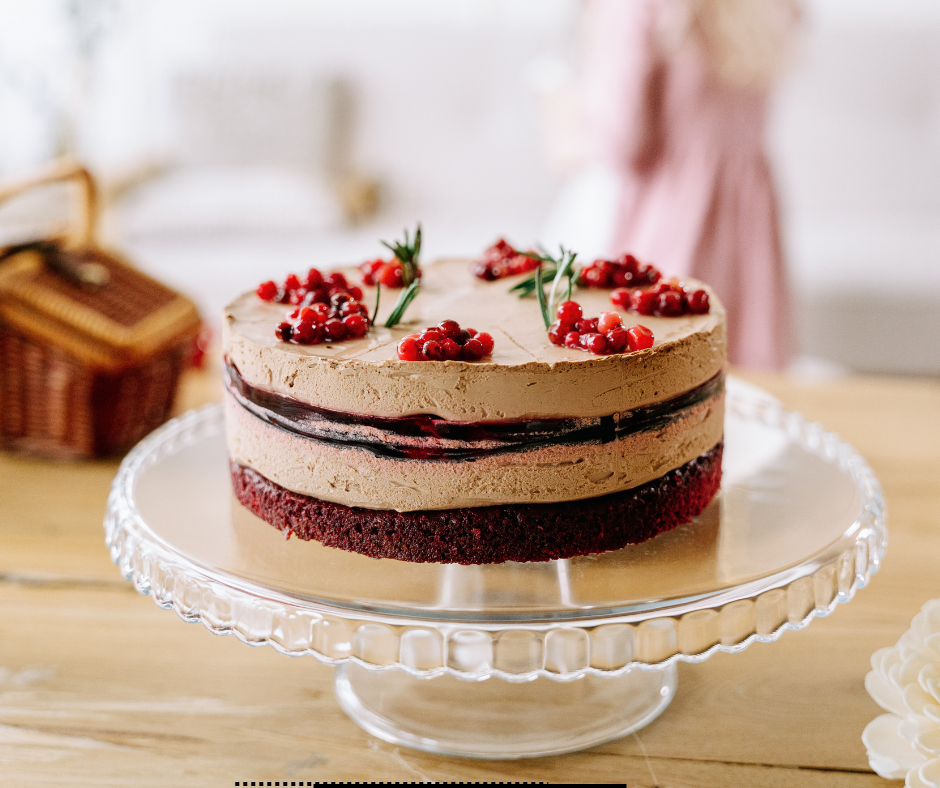
I’m sharing my go-to Vanilla Birthday Cake recipe that has never failed to wow everyone at the table. It’s soft, fluffy, and packed with rich vanilla flavor—exactly what you want in a cake that screams “celebration!” Plus, it’s simple enough for beginner bakers yet versatile enough to get creative with decorations and flavors if you’d like to put your personal spin on it.
Table of Contents
How to make Vanilla Birthday Cake
A Vanilla Birthday Cake is a classic celebration cake made with a light, fluffy vanilla-flavored sponge and typically layered with sweet frosting—most often buttercream or whipped cream.
Ingredients
For the Cake:
- 2 ¾ cups (345g) all-purpose flour
- 1 tablespoon baking powder
- ½ teaspoon salt
- ¾ cup (170g) unsalted butter, softened
- 2 cups (400g) granulated sugar
- 4 large eggs (room temperature)
- 1 tablespoon pure vanilla extract
- 1 cup (240ml) whole milk (room temperature)
For the Buttercream Frosting:
- 1 cup (227g) unsalted butter, softened
- 4 cups (480g) powdered sugar
- 2 teaspoons pure vanilla extract
- 3-4 tablespoons heavy cream or milk
- Pinch of salt
Instructions
Making the Cake:
- Preheat your oven: Set the oven to 350°F (175°C) and grease two 9-inch round cake pans with butter or nonstick spray. Line the bottom with parchment paper to ensure easy removal.
- Mix dry ingredients: In a large bowl, whisk together the flour, baking powder, and salt. Set aside.
- Cream butter and sugar: Using a stand mixer or hand mixer, beat the butter and sugar together on medium-high speed until light and fluffy (about 2-3 minutes).
- Add eggs and vanilla: Beat in the eggs one at a time, making sure each is fully incorporated. Add the vanilla extract and mix until combined.
- Combine wet and dry ingredients: Turn the mixer to low speed. Gradually alternate adding the dry ingredients and milk to the batter, starting and ending with the dry ingredients. Scrape down the sides to ensure everything is evenly mixed. Be careful not to overmix!
- Pour batter into pans: Divide the batter evenly between the prepared pans and smooth out the tops with a spatula.
- Bake: Bake for 28-32 minutes or until a toothpick inserted into the center comes out clean. Cool the cakes in the pans for 10 minutes, then transfer them to a wire rack to cool completely.
Making the Frosting:
- Beat butter: Using a mixer, beat the softened butter on medium-high speed until creamy and pale (about 2 minutes).
- Add powdered sugar: Gradually add the powdered sugar, one cup at a time, mixing on low speed until combined.
- Add vanilla and cream: Add the vanilla extract, heavy cream, and a pinch of salt. Turn the mixer to high speed and beat until the frosting is light and fluffy (about 3-4 minutes). Adjust the thickness by adding more cream or milk as needed.
Assembling the Cake:
- Level the cakes (optional): If the cake layers are domed, use a serrated knife to level the tops for easier stacking gently.
- Layer and frost: Place one cake layer on a serving plate or cake stand. Spread an even layer of frosting over the top. Add the second layer and frost the top and sides of the cake.
- Decorate: Decorate with sprinkles, piping, fresh fruits, or candles to suit the occasion!
Tips for Success
- Use room-temperature ingredients: This helps your batter mix evenly and ensures your cake bakes with a soft, tender crumb.
- Don’t overmix: Overmixing activates the gluten in the flour, which can make your cake tough and dense.
- Sift your powdered sugar for frosting: This helps prevent lumps and gives your buttercream a smooth texture.
- Customize decorations: Add food coloring to the frosting for a fun pop of color or sprinkle edible glitter on top for a festive vibe.
- Bake ahead: The cake layers can be made a day ahead and stored (wrapped in plastic wrap) at room temperature. Assemble and frost the cake on the day of the event for maximum freshness.
What to serve with
Vanilla Birthday Cake is rich, light, and irresistibly sweet on its own, but pairing it with complementary sides can take your celebration to the next level!
1. Ice Cream
The undeniable classic pairing for cake is ice cream, and with Vanilla Birthday Cake, the possibilities are endless! Some flavors complement its delicate sweetness perfectly:
- Vanilla bean: Intensifies the vanilla flavor in the cake for a cohesive experience.
- Chocolate: Adds richness and depth, creating a balance between light and indulgent.
- Strawberry or raspberry sorbet: A fruity, tangy contrast to the cake’s sweetness.
- Salted caramel: Provides a luxurious balance of sweet and salty flavors.
2. Fresh Fruits and Berries
Fresh fruit brings brightness and a natural tartness that pairs beautifully with the buttery, sweet cake. Arrange a colorful fruit platter to serve alongside the Vanilla Birthday Cake. Some options include:
- Strawberries, raspberries, or blueberries for a pop of color and tangy-sweet flavor.
- Sliced mango or peaches for a tropical flair.
- Pineapple chunks or kiwis for refreshing acidity.
- Cherries (fresh or maraschino) to add a simple, elegant touch.
Ingredients Substitutes
Baking a Vanilla Birthday Cake might seem straightforward, but sometimes you open your pantry only to find you’re missing an essential ingredient—or you need substitutions for dietary needs. Thankfully, you don’t have to panic or skip the recipe entirely!
Substitutes for All-Purpose Flour
While all-purpose flour is the standard for cakes, there are several alternatives you can use depending on your preference or dietary restrictions:
- Cake Flour: This low-protein flour creates an even lighter and more tender crumb. Substitute 1 cup of cake flour for every 1 cup of all-purpose flour in the recipe.
- Gluten-Free Flour Blend: Store-bought gluten-free 1:1 baking flours work great. Look for one specifically designed for cakes and pastries.
- Almond Flour: Use almond flour for a gluten-free, nutty twist. For best results, combine almond flour with an equal amount of coconut flour to mimic the texture of all-purpose flour. You may need to add an extra egg for structure.
- Whole Wheat Flour (for a healthier option): Replace 50% of the all-purpose flour with whole wheat flour. The texture will be slightly denser but still delicious.
Substitutes for Baking Powder
Baking powder helps the cake rise but can be replaced with common household items:
- Baking Soda + Acid: Mix ¼ teaspoon of baking soda with ½ teaspoon of lemon juice or vinegar for every 1 teaspoon of baking powder needed. This combination produces a similar leavening effect.
- Self-Rising Flour: If using self-rising flour, omit the baking powder entirely (and also reduce added salt in the recipe since self-rising flour typically includes salt).
Substitutes for Salt
Salt is a minor ingredient in a birthday cake, but it enhances sweetness and balances flavors:
- Kosher Salt or Sea Salt: Use the same amount as regular table salt. Adjust slightly based on grain size.
- Salt-Free Option: If you’re on a sodium-restricted diet, omit the salt entirely. Your cake will still turn out fine, though slightly less balanced in flavor.
Substitutes for Butter
Butter contributes richness, flavor, and moisture but can be swapped out if needed.
- Vegetable Oil or Canola Oil: For every ¾ cup of butter, substitute ⅔ cup of oil. Oil makes cakes even more moist but lacks the buttery flavor.
- Coconut Oil: Melted coconut oil works well as a butter replacement and adds a subtle hint of coconut flavor. Use the same ratio as vegetable oil.
- Applesauce: Replace ¾ cup butter with ½ cup applesauce to reduce fat content. This works great for a healthier option but will make the cake slightly denser.
- Vegan Butter or Margarine: Use vegan butter sticks or margarine for a dairy-free/vegan cake. Select brands specifically designed for baking for best results.
Substitutes for Granulated Sugar
Sugar provides sweetness and structure. If you’re out of granulated sugar, here’s what you can use:
- Brown Sugar: Substitute an equal amount of brown sugar for a richer, slightly caramelized flavor.
- Honey or Maple Syrup: Replace 1 cup of granulated sugar with ¾ cup honey or maple syrup but reduce other liquids in the recipe by 2-3 tablespoons.
- Coconut Sugar: Use coconut sugar as a 1:1 substitute for granulated sugar. It adds a slightly darker, more earthy flavor.
- Sweeteners (e.g., Stevia, Monk Fruit): Check specific conversions on your sweetener packaging, as these are often much sweeter and require adjustments in quantity.
Substitutes for Eggs
Eggs contribute moisture, structure, and richness to cakes, but here are alternatives:
- Unsweetened Applesauce: Replace 1 egg with ¼ cup applesauce. Best for moist but dense cakes.
- Yogurt or Sour Cream: Substitute one egg with ¼ cup plain yogurt or sour cream. This adds richness without compromising texture.
Final Thoughts
With this recipe, you’ll have a Vanilla Birthday Cake that tastes just as amazing as it looks! Relish every bite and share the joy of this delicious treat with your loved ones.
More Birthday Cake Recipes:

Ingredients
For the Cake:
- 2 ¾ cups (345g) all-purpose flour
- 1 tablespoon baking powder
- ½ teaspoon salt
- ¾ cup (170g) unsalted butter, softened
- 2 cups (400g) granulated sugar
- 4 large eggs (room temperature)
- 1 tablespoon pure vanilla extract
- 1 cup (240ml) whole milk
For the Buttercream Frosting:
- 1 cup (227g) unsalted butter, softened
- 4 cups (480g) powdered sugar
- 2 teaspoons pure vanilla extract
- 3-4 tablespoons heavy cream or milk
- Pinch of salt
Instructions
Making the Cake:
- Preheat your oven: Set the oven to 350°F (175°C) and grease two 9-inch round cake pans with butter or nonstick spray. Line the bottom with parchment paper to ensure easy removal.
- Mix dry ingredients: In a large bowl, whisk together the flour, baking powder, and salt. Set aside.
- Cream butter and sugar: Using a stand mixer or hand mixer, beat the butter and sugar together on medium-high speed until light and fluffy (about 2-3 minutes).
- Add eggs and vanilla: Beat in the eggs one at a time, making sure each is fully incorporated. Add the vanilla extract and mix until combined.
- Combine wet and dry ingredients: Turn the mixer to low speed. Gradually alternate adding the dry ingredients and milk to the batter, starting and ending with the dry ingredients. Scrape down the sides to ensure everything is evenly mixed. Be careful not to overmix!
- Pour batter into pans: Divide the batter evenly between the prepared pans and smooth out the tops with a spatula.
- Bake: Bake for 28-32 minutes or until a toothpick inserted into the center comes out clean. Cool the cakes in the pans for 10 minutes, then transfer them to a wire rack to cool completely.
Making the Frosting:
- Beat butter: Using a mixer, beat the softened butter on medium-high speed until creamy and pale (about 2 minutes).
- Add powdered sugar: Gradually add the powdered sugar, one cup at a time, mixing on low speed until combined.
- Add vanilla and cream: Add the vanilla extract, heavy cream, and a pinch of salt. Turn the mixer to high speed and beat until the frosting is light and fluffy (about 3-4 minutes). Adjust the thickness by adding more cream or milk as needed.
Assembling the Cake:
- Level the cakes (optional): If the cake layers are domed, use a serrated knife to level the tops for easier stacking gently.
- Layer and frost: Place one cake layer on a serving plate or cake stand. Spread an even layer of frosting over the top. Add the second layer and frost the top and sides of the cake.
- Decorate: Decorate with sprinkles, piping, fresh fruits, or candles to suit the occasion!