
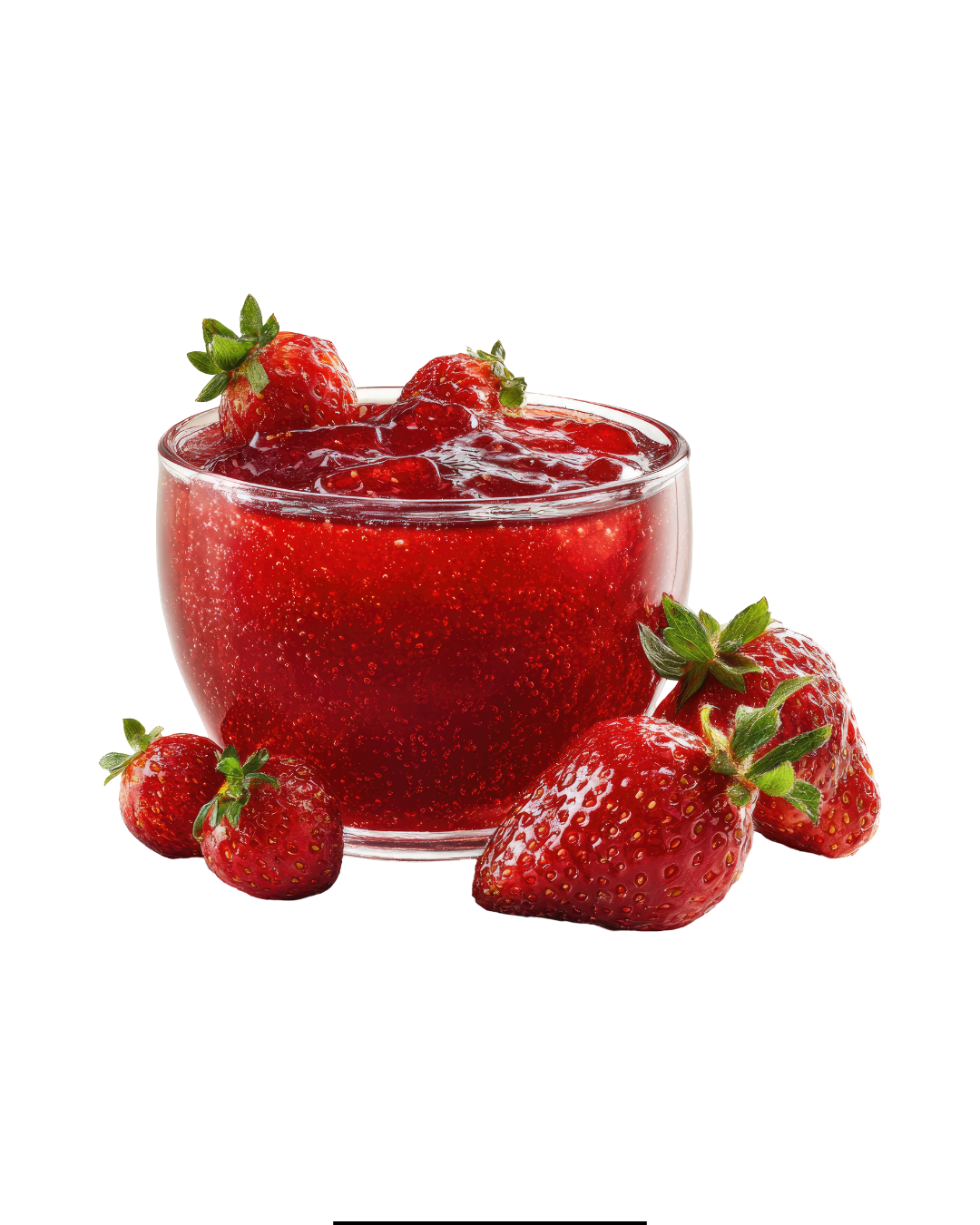
For years, I’ve been searching for little ways to make my desserts stand out, and this rich, homemade raspberry syrup for cakes has become one of my all-time favorite tricks.
Table of Contents
How to make Raspberry Syrup for Cakes
Raspberry syrup for cakes is a sweet, flavored liquid made from raspberries, sugar, and sometimes water or fruit juice, designed to add a burst of raspberry flavor and moisture to baked goods.
Ingredients for Raspberry Syrup
- 1 cup raspberries (fresh or frozen)
- 1/2 cup granulated sugar
- 1/4 cup water
- 1 teaspoon lemon juice (optional)
- A pinch of salt (to round out the sweetness).
- A splash of vanilla extract or almond extract for extra flavor depth.
Instructions
- Prepare the Raspberries: If you’re using fresh raspberries, rinse them gently under cold water and pat them dry. If you’re using frozen raspberries, there’s no need to thaw them—use them straight from the freezer.
- Combine the Ingredients: In a medium saucepan, combine the raspberries, sugar, and water. Optional ingredients like lemon juice or vanilla extract can also be added at this stage.
- Cook the Mixture: Place the saucepan over medium heat and stir occasionally as the sugar dissolves. Bring the mixture to a gentle simmer, and continue cooking for about 5–7 minutes until the raspberries break down and the liquid slightly thickens.
- Strain (Optional): If you prefer a smooth syrup, pour the mixture through a fine mesh sieve or cheesecloth into a heatproof bowl to remove the seeds. Press down on the pulp with the back of a spoon to extract every bit of juice. If you enjoy a more textured syrup, you can skip this step.
- Simmer Again (Optional for Thickness): Return the strained liquid to the saucepan and simmer on low heat for 2–3 more minutes until it reaches your desired consistency. Keep in mind that the syrup will thicken as it cools.
- Cool and Store: Let the syrup cool to room temperature before using it on your cakes. Store any leftovers in an airtight jar or container in the refrigerator for up to one week.
Tips for Making the Best Raspberry Syrup
- Adjust Sweetness to Taste: If you prefer a less sweet syrup, reduce the sugar by 1–2 tablespoons. Alternatively, if the raspberries are too tart, add a little extra sugar.
- Consistency is Key: For a thin syrup (great for soaking cakes), cook the syrup for a shorter time. If you need a thicker consistency (ideal for drizzling or layer fillings), simmer it for an extra 2–3 minutes.
- Experiment with Flavors: Add a splash of citrus zest, such as orange or lime, for a different fruity twist.
- Use honey or maple syrup in place of sugar for a more natural sweetness.
- Make It Seedless: If raspberries’ tiny seeds bother you, straining the syrup is essential for a smooth texture. A fine sieve works best, but a cheesecloth can also do the job.
- Double the Recipe: This syrup is so versatile thatcannt to double the recipe and make extra. It’s perfect for pancakes, waffles, yogurt, or even cocktails!
- Storage Tip: Store your raspberry syrup in a sterilized airtight container. It can last up to 1 week in the refrigerator. If you want to extend its shelf life, consider freezing it in small portions or jars.
Ingredients Substitutes
If you’re craving a flavorful raspberry syrup but don’t have all the necessary ingredients on hand or want to customize the recipe to meet dietary needs, don’t worry!
1. Raspberries
Main Purpose: Raspberries are the key ingredient in this syrup, providing the tangy and fruity flavor, vibrant red color, and luscious texture.
Substitutes:
- Mixed Berries: If you don’t have raspberries, try using a mix of berries, such as strawberries, blackberries, blueberries, or cherries. These will give your syrup a slightly different flavor but still deliver a fruity punch.
- Frozen Raspberries: Frozen raspberries are an excellent substitute for fresh ones, especially when they’re out of season. Use them straight from the freezer; no need to thaw.
- Raspberry Jam or Preserves: In a pinch, you can dilute raspberry jam or preserves with water, simmer the mixture, and strain it to create a quick raspberry syrup.
- Raspberry Extract or Syrup: Raspberry extract or pre-made raspberry syrup can work as a last resort. You’ll likely need to dilute these options and adjust the sweetness.
2. Sugar
Main Purpose: Sugar sweetens the syrup and balances the tartness of the raspberries.
Substitutes:
- Honey: Use an equal amount of honey for a richer, more complex sweetness. Note that this will slightly affect the flavor and add floral or earthy undertones.
- Maple Syrup: For a natural, subtly nutty sweetness, replace sugar with an equal amount of maple syrup.
- Brown Sugar: For a deeper, caramel-like flavor, substitute white sugar with light or dark brown sugar. Keep in mind that this will darken the color of the syrup slightly.
- Coconut Sugar: A great substitute for those avoiding white sugar, coconut sugar adds a mildly fruity and earthy taste.
- Artificial Sweeteners: If you’re making a low-sugar or sugar-free version, use sweeteners like stevia, erythritol, or monk fruit. Be cautious as they tend to be much sweeter than sugar, so adjust quantities accordingly (reference the brand’s conversion chart).
- Agave Nectar or Corn Syrup: Both of these liquid sweeteners can replace sugar. However, you may need to reduce or omit the water in the recipe to maintain the desired consistency.
3. Water
Main Purpose: Water is used to help dissolve the sugar and raspberries, creating a silky syrup texture.
Substitutes:
- Fruit Juice: Replace water with a complementary fruit juice such as apple juice, orange juice, or cranberry juice for added flavor and sweetness.
- Lemon or Lime Water: A mix of water with a splash of lemon or lime juice can bring brightness and acidity to the syrup.
- Liquor or Liqueur (Adults Only): Add a splash of raspberry liqueur (e.g., Chambord), orange liqueur (e.g., Grand Marnier), or a bit of wine for a creative twist in flavor. Pair wisely with your dessert.
4. Lemon Juice (Optional)
Main Purpose: Lemon juice enhances the tartness and brightens the flavor of the syrup, balancing out the sweetness.
Substitutes:
- Lime Juice: Lime juice offers a similar tangy and acidic flavor and can be used in equal quantities.
- Orange Juice or Zest: This provides a subtler acidity with a hint of citrus sweetness. Use a similar amount of lemon juice.
- Apple Cider Vinegar: A small splash of apple cider vinegar can mimic the acidity of lemon juice. Use sparingly (1/4 to 1/2 teaspoon), as it has a stronger flavor.
- Cream of Tartar: Adding a pinch of cream of tartar can serve to enhance tartness without introducing additional liquid to the recipe.
Final Thoughts
This homemade raspberry syrup for cakes is not just a recipe—it’s a game-changer. With its vibrant color, fruity punch, and delightful sweetness, it’s bound to take your cakes and desserts to the next level.
More Cake Recipes:

Ingredients
- 1 cup raspberries (fresh or frozen)
- 1/2 cup granulated sugar
- 1/4 cup water
- 1 teaspoon lemon juice (optional)
- A pinch of salt (to round out the sweetness).
- A splash of vanilla extract
Instructions
- Prepare the Raspberries: If you’re using fresh raspberries, rinse them gently under cold water and pat them dry. If you’re using frozen raspberries, there’s no need to thaw them—use them straight from the freezer.
- Combine the Ingredients: In a medium saucepan, combine the raspberries, sugar, and water. Optional ingredients like lemon juice or vanilla extract can also be added at this stage.
- Cook the Mixture: Place the saucepan over medium heat and stir occasionally as the sugar dissolves. Bring the mixture to a gentle simmer, and continue cooking for about 5–7 minutes until the raspberries break down and the liquid slightly thickens.
- Strain (Optional): If you prefer a smooth syrup, pour the mixture through a fine mesh sieve or cheesecloth into a heatproof bowl to remove the seeds. Press down on the pulp with the back of a spoon to extract every bit of juice. If you enjoy a more textured syrup, you can skip this step.
- Simmer Again (Optional for Thickness): Return the strained liquid to the saucepan and simmer on low heat for 2–3 more minutes until it reaches your desired consistency. Keep in mind that the syrup will thicken as it cools.
- Cool and Store: Let the syrup cool to room temperature before using it on your cakes. Store any leftovers in an airtight jar or container in the refrigerator for up to one week.